Select Page

Tag: Peru

20231218 – Coquimbo, Chile. 20231219 – Santiago (San Antonio), Chile. 20231223 – Punta Arenas, Chile.

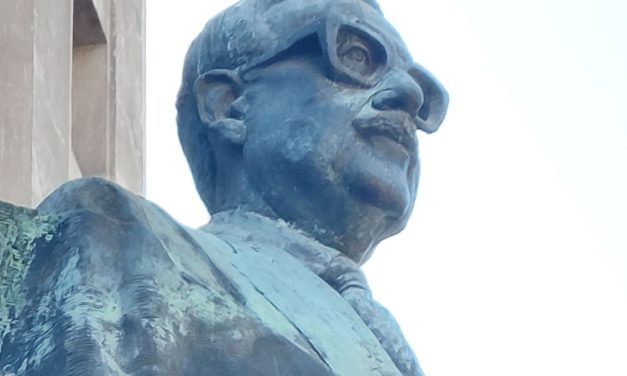
We walked past buildings in Santiago built under the same French/Spanish influence. The highlight was seeing the presidential offices where Allende resisted the US-backed fascists that later destroyed the country trying to perform a free-market capitalism with no opposition. The experiment fell flat on its face. The country was left with disaster capitalism, and people had to pay for all the damage the “Chicago School experts” left behind.

Read More
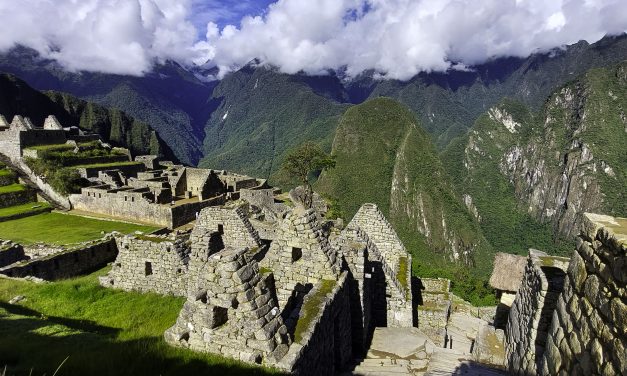
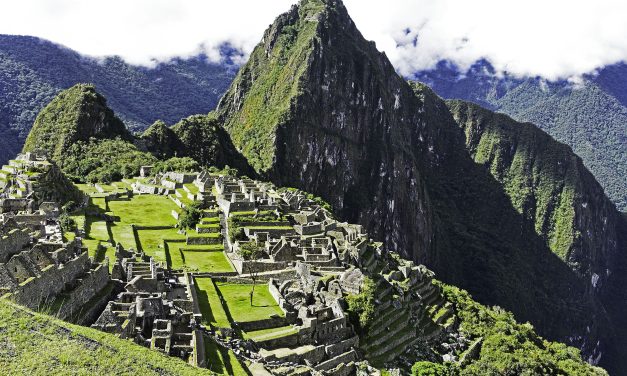
20231214 – Machu Picchu, Cusco, Peru: The Visit

The entire region is an archeological site.  Ruins of the Incas are found everywhere.  There is a dispute between the archeologists who want to preserve the land and prevent further construction of buildings, farms, etc., and others who want the land to be functional.  The farming land increased by 1 million hectares in Peru, encroaching on historic lands.

Read More

20231214 – Machu Picchu, Cusco, Peru: History

What distinguishes the native culture from the Western understanding of societies is the more egalitarian societies the natives had built. As Pekka Hamalainen says in the book “Native Continent,” the power did not come from the leaders, but it came through them. The leaders were the voice of the society, organizers, and enforcers of already-decided resolutions through customs and tradition. Incas and other natives respected life, other beings, each other, and even other ethnicities and tribes. Life was something to be shared by all beings.

Read More

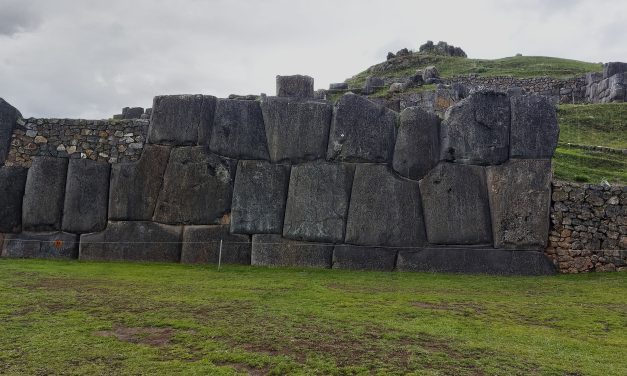
20231213 – Cusco, Peru, Korikancha, Basilica and Saqsaywaman

The most interesting oil painting we saw was by Marcos Apaka.  He had painted a version of the Last Supper.  He is a Quechuan artist commissioned to paint the Last Supper with Jesus in the middle and his disciples around the table.  However, they did not tell him what the party was eating.  So he put a guinea pig as the meal, and instead of wine, he put Chicha Morale, corn, etc., all local food.  Judas is the only one holding silver under the table.  He is the only one looking at the viewer.  He is the only dark-skinned while all the others are white, and he painted Francisco Pizarro’s face for Judas!

Read More

20231213 – Cusco, Peru

In 1532, Francisco Pizarro, the Spanish conquistador, came from the north, where Ecuador is now. He used the Incan trails, which took him 45 days to get to Cusco. Like the European saying, Peruvians say, “All roads lead to Cusco.” Cusco was the capital of the Inka empire. The Spanish found plenty of gold and silver here. This gold only meant the representation of the sun for the Incas. Silver was the representation of the moon. The Incas had started an internal war in 1525, which weakened them against the Spanish onslaught.

Read More
Loading